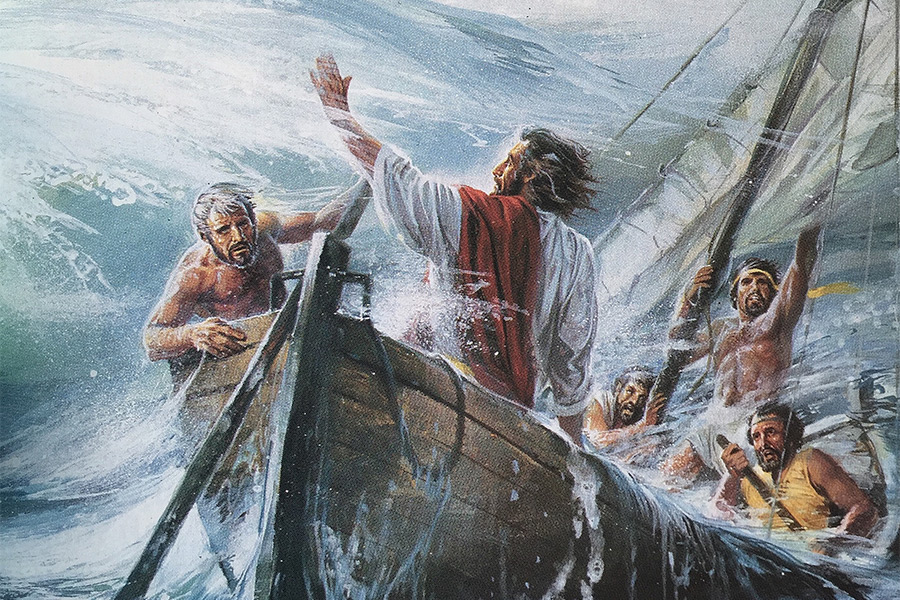
The Value of the Kingdom of God
07-26-2026Weekly ReflectionFr. Bing ColasitoThe Parable of the Hidden Treasure and the Pearl of Great Price are similar. The Parable of the Dragnet, however, is like last Sunday’s parable of the Weeds and the Wheat.
The first reading recalls King Solomon’s dream, when the Lord asked the young king what he wanted. Solomon’s answer reveals his character and what mattered most to him: a wise and understanding heart. He asked for this so that he could serve the Lord and the people of his kingdom well. This wisdom is the treasure of King Solomon’s heart, the hidden treasure, and the pearl of great price.
READ MORE
The Wheat and the Weeds
07-19-2026Weekly ReflectionFr. Bing ColasitoIn the Gospel, Jesus delivers the Parable of the Wheat and the Weeds, along with the Parables of the Mustard Seed and the Leaven. He explains that God allows evil and good to coexist in the world to protect genuine believers, warning that ultimate judgment and separation will happen at the end of the age.
READ MORE
Receptivity to God’s Word
07-12-2026Weekly Reflection Fr. Bing ColasitoWhy did Jesus not speak plainly and instead speak to them in parables? The Lord explains that parables served a dual purpose: 1. To reveal truth to receptive listeners – Those who were genuinely seeking God could reflect on the stories, ask questions, and gain deeper spiritual insight. 2. To conceal truth from those who were resistant – People who had already hardened themselves against his message would hear the stories but miss their deeper meaning.
READ MORE
God’s Yoke and the Little Ones
07-05-2026Weekly ReflectionFr. Bing ColasitoThere is one simple but profound truth in the Gospel: we can come to Jesus with our burdens because He has already come to us first.
God takes the initiative. The reading from the Book of Zechariah emphasizes that God reaches out to His people before they seek Him. The New Testament connects this with Jesus' coming into the world, showing that salvation begins with God's love and mercy rather than human effort.
READ MORE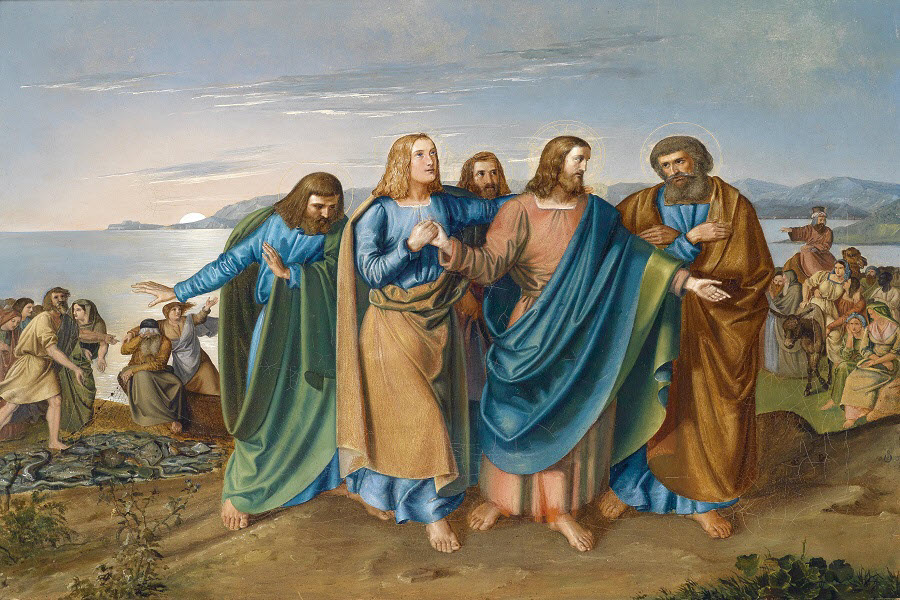
Discipleship
06-28-2026Weekly ReflectionFr. Bing ColasitoIn the Gospel, Jesus gives us a checklist to ensure we are truly living as disciples. It is possible to spend our entire lives merely learning how to live or simply making a living, yet never really living and never preparing for our journey beyond the grave.
So, when do we begin to truly live? We begin when we become disciples of someone greater than ourselves. We are not disciples if we make ourselves our own masters.
READ MORE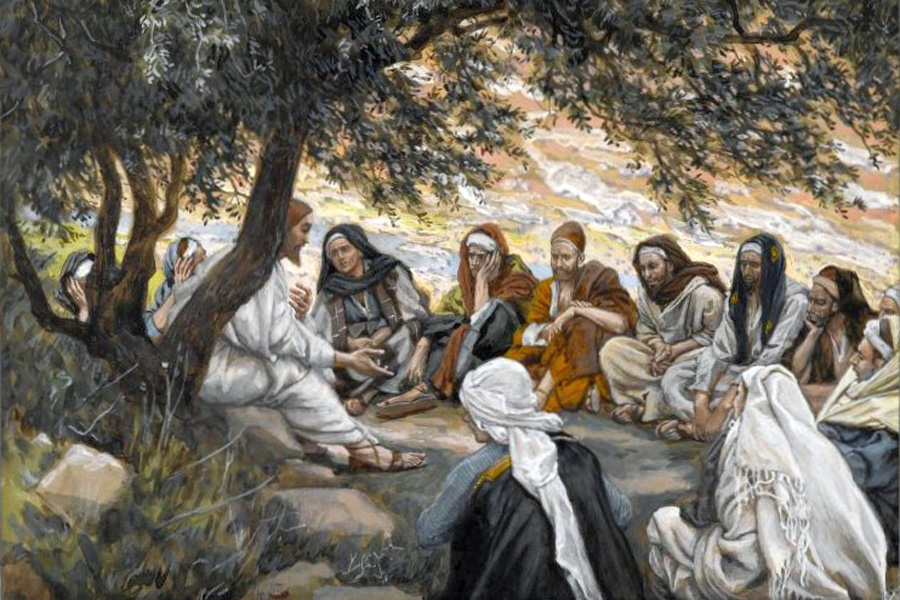
Be Not Afraid
06-21-2026Weekly ReflectionFr. Bing ColasitoLast Saturday, Fr. Nathan Blanchard, Fr. Paul Graupmann, F.H.S., Fr. Simon Ortiz, and Fr. Jeff Pooley were formally added to the fraternity of clergy during a Mass of Ordination celebrated by Bishop John Dolan at St. Thomas Aquinas Parish in Avondale, AZ. We praise and thank God for their courage and generosity—an inspiration to all of us. May these new priests be filled with zeal and courage as they proclaim the Gospel and bring Jesus’ message of salvation to all.
READ MOREGifts Received, Give as Gift
06-14-2026Weekly ReflectionFr. Bing ColasitoWe all have unique gifts, and people often notice them, saying, “You know, you have a gift!” Sometimes, we find ourselves wondering, “How so?” and may even feel a bit uncomfortable or embarrassed by the compliment. From my former pastor, Fr. Chuck Kieffer, I learned the value of simply saying “Thank you” and of appreciating any form of praise or affirmation from others.
READ MORE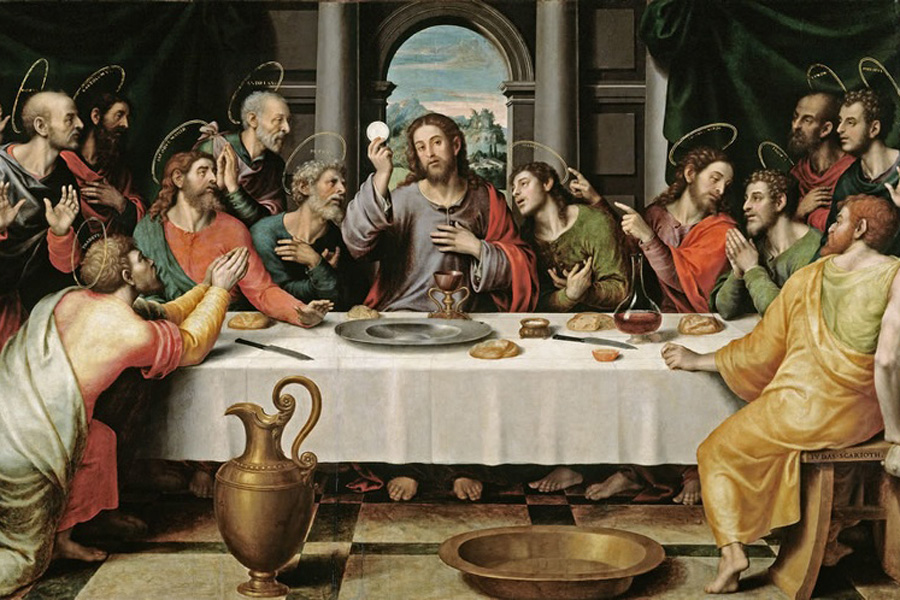
Understanding Pope Leo XIV’s first encyclical, Magnifica Humanitas
06-07-2026Weekly ReflectionFr. Bing Colasito“Magnifica Humanitas is Pope Leo XIV’s bold and time-first encyclical, a sweeping meditation on artificial intelligence, human dignity, technology, war, labor, truth, and the future of civilization itself. Framing the modern world as a choice between the Tower of Babel and the rebuilding of Jerusalem, Pope Leo confronts the promises and perils of AI with spiritual depth, moral clarity, and prophetic urgency.”
READ MORE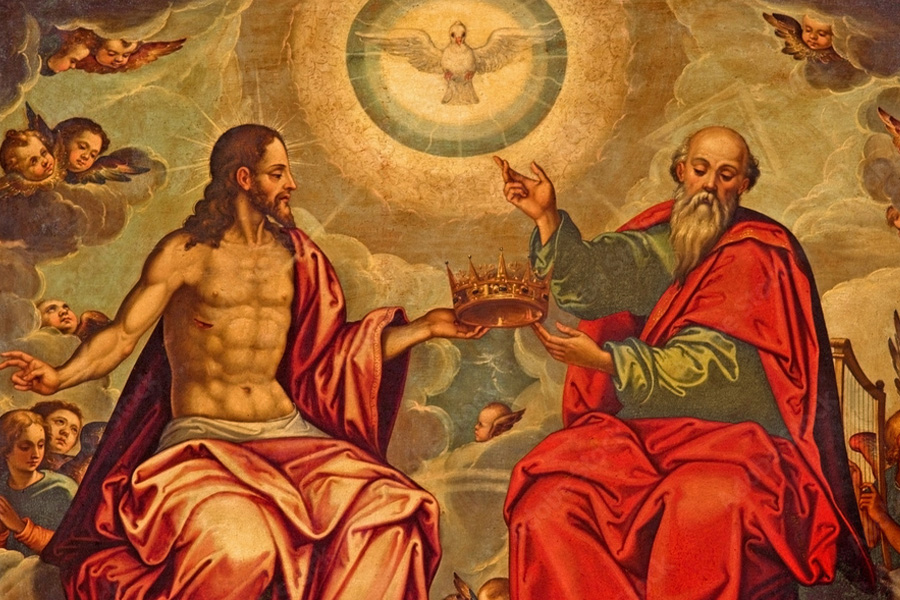
Solemnity of the Most Holy Trinity
05-31-2026Weekly ReflectionFr. Bing ColasitoChristians are baptized in the name of the Father, the Son, and the Holy Spirit. Before receiving the sacrament, they respond to a three-part question, affirming their belief in the Father, the Son, and the Holy Spirit by saying: "I do." The faith of all Christians is founded on the Trinity (CCC 232). On the Sunday following Pentecost, we celebrate the most central mystery of our faith: the Holy Trinity.
READ MORE
The Gifts of Peace and the Holy Spirit
05-24-2026Weekly ReflectionFr. Bing ColasitoAt Pentecost, Jesus gifted His troubled and spiritually weak disciples with His PEACE and the HOLY SPIRIT. "Peace be with you… receive the Holy Spirit." Today, but for the rest of our lives, let us pray to the Lord to grant us His PEACE, and the company of the Holy Spirit in our journey of life.
READ MORE
Jesus’ Power and Presence
05-17-2026Weekly ReflectionFr. Bing ColasitoThe Solemnity of the Ascension is not about Jesus leaving humanity behind, but about His presence becoming universal and enduring. While the world constantly promises “unlimited” experiences, opportunities, or power, all of these are temporary. Christ alone offers what is truly without limit: eternal love, truth, mercy, and salvation.
Society often measures power by influence, wealth, technology, or popularity—things that rise and fall quickly.
READ MORE
Born to Live, Born to Love
05-10-2026Weekly ReflectionFr. Bing ColasitoThis Sunday, we celebrate Mother’s Day. It reminds us to love as Jesus loved the Blessed Mother. But also celebrate the mystery of the Incarnation, the love of God for us. He is the abiding presence of God in us and the Holy Spirit’s gift to the Church and us.
The Gospel fills my mind with many thoughts, generally about life and how it should reflect the will of the Creator by imitating our Lord, Jesus Christ. Everything is traced back to LOVE as the source of UNITY. Love gives life, love unites, and love abides.
READ MOREIn my Father’s House
05-03-2026Weekly ReflectionFr. Bing ColasitoMy father’s house is my home. My three brothers and I grew up there, each of us doing our part to turn that house into a place of warmth and belonging. At our table, we were nourished daily—not only by the meals our mother lovingly prepared, but also by the shared responsibilities we carried. My two older brothers and I took turns setting the table, washing the dishes after meals, and cleaning the dining and kitchen areas.
READ MORE